Fentanyl Decontamination
Affected rooms, vehicle interiors and surfaces are decontaminated after fentanyl exposure.
See fentanyl decontaminationGet meth residue testing, decontamination, material removal and clearance steps for a home, rental, business or vehicle in Warehouse District. Keep people out of affected areas until the property has been assessed.
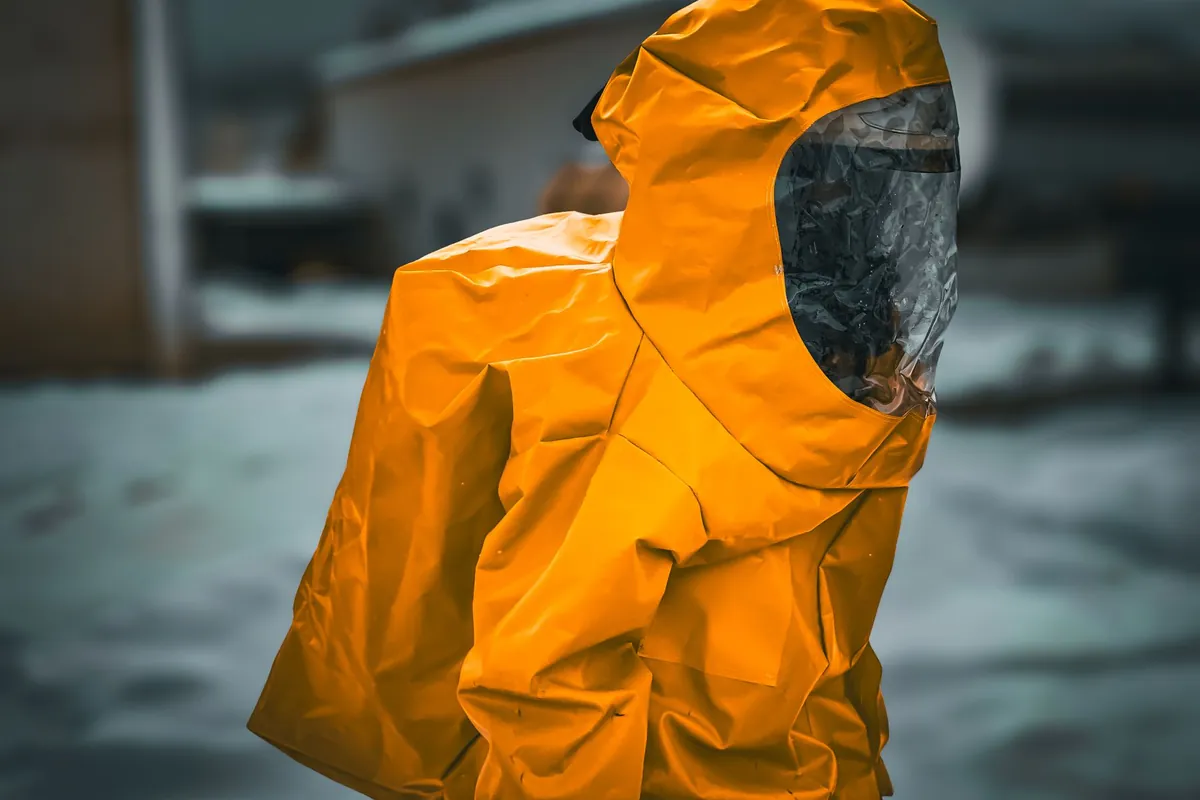
Meth lab cleanup involves testing a contaminated home, vehicle, rental or business, taking out affected materials and cleaning residue from methamphetamine or chemicals used to produce drugs.
A property does not need to look dirty to have residue. Meth smoke can settle on walls, ceilings, floors, cabinets, appliances and personal property. A production site can also contain acids, solvents, salts, fuels and unknown mixtures. Those hazardous materials call for a careful assessment before anyone moves containers or starts ordinary cleaning.
Local property rules and test results set the course for the biohazard remediation work. With protective equipment in place, cleanup technicians separate contaminated areas from clean ones. They take out materials that resist cleaning and wash what remains. When necessary, they also address the air system. Afterward, samples establish whether each tested area reaches the relevant clearance level.
A cleaning service should keep photos, scope notes, disposal documents and test reports together, so you have a clear record and can move forward after clearance.
Evaluating each possession's material and state helps you understand which items can undergo cleaning and which could require disposal.
Separated work areas and unaffected travel routes help prevent contaminated materials, equipment and dust from moving around your property.
Your written plan should describe affected areas and the testing basis before remediation, along with removal decisions, cleaning methods and clearance steps.
Evidence from testing or dependable property records can show residue associated with meth use or manufacture. This calls for meth decontamination cleaning services. Each case begins by considering test results alongside the property history. Situations commonly include:
Law enforcement has cleared a former production site, but residue, chemicals or discolored materials could remain throughout multiple rooms.
Walls, household items, cabinets, ceilings and flooring may carry residue that repeated smoking left behind.
Inside cars, trucks and recreational vehicles, residue can remain on carpet, seats, vents and trim.
A room or unit needs a controlled assessment after suspected meth use, with surrounding areas checked when the evidence calls for it.
Prevent contact first, and do not let contamination travel to other areas. Follow these steps while professional cleanup is pending:
Call (888) 440-9227PushLeads lists light meth use contamination at $5,000 to $10,000 and moderate contamination at $10,000 to $25,000 per job. Large or heavily contaminated sites can reach $120,000 per job. Testing for a multi-room property is listed separately at $1,500 to $3,500 per job. These are published planning ranges, not a quote.
Published national cost guides are the source for these ranges, rather than an inspection of your property. The price for your property is set after the on-site assessment, and you hear it before work starts.
Ask about cost: (888) 440-9227Insurance coverage for meth contamination varies by policy and cause, and some policies contain pollution, contamination, criminal-act or vacancy exclusions. Report the discovery to the insurance company, ask what assistance is available and request a written coverage decision before authorizing non-emergency work.
Law enforcement may secure evidence and release the scene, but the property owner generally must arrange environmental testing and remediation afterward.
Property owners commonly organize evaluation and remediation work for rentals. You must address property safety separately from trying to collect expenses from a tenant.
Store the police release, lab findings, photos, remediation scope, disposal documents, invoices and clearance report in one place.
Describe the discovery of residue when contacting the insurance company. Ask the insurer if benefits apply to tests, decontamination, material removal and loss of use.
A measured sequence is used for the meth lab cleaning process. Each part must align with the property's assessment, its plan for testing and the local clearance rules that apply.
Work starts only after cleanup technicians evaluate visible hazards, ventilation, room arrangement, police release status, property history and likely contamination paths.
Surface samples help identify affected areas and establish a baseline. The relevant local procedure should guide where and how samples are collected.
A documented scope lists containment needs, materials marked for removal, surfaces requiring cleaning, plans for belongings and final clearance procedures.
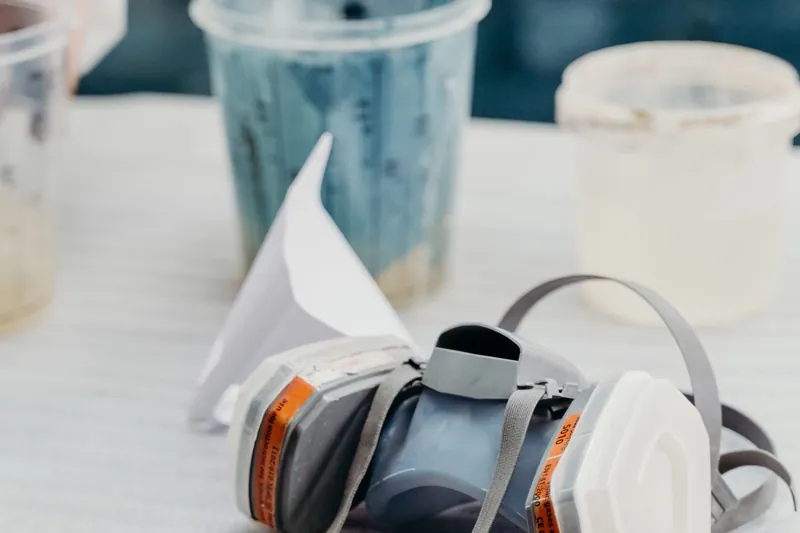
The affected workspace is contained away from clean areas. Cleanup technicians use protective gear appropriate for chemical hazards, airborne particles and contamination present on site.
When required cleaning levels cannot be reached, carpeting, padding, insulation, soft furniture or damaged construction materials may need removal and waste disposal preparation.
Remaining ceilings, walls, floors, cabinets and fixtures are cleaned in a controlled order with methods chosen for each material.
The air system and movable belongings are evaluated separately. Items are cleaned, isolated or discarded according to condition and test findings.
Final sampling follows completed cleaning and determines if the property needs more work before people return.
Phone any hour. You speak with a meth lab cleanup specialist who outlines the process and schedules a start time with you.
A former meth property can present serious health risks through contaminated dust, direct skin contact or chemicals left behind from production, even when no strong odor is present.
Pets and children frequently contact objects and floors. While you wait for cleanup and test results, keep children and animals outside the affected area to reduce contact.
Frequently contacted objects and surfaces, including walls, floors, counters and toys, can collect residue. A normal-looking surface may not meet the required level for clearance.
Unidentified containers and substances may be reactive, capable of catching fire or corrosive. Keep them closed, never smell or mix them, and keep them out of ordinary trash.
Can you clean it yourself? Do not respond to possible meth residue as you would to a routine household spill. You cannot use domestic cleaners to measure residue movement or verify that a surface passes the local clearance standard. Begin more safely with testing and a remediation plan designed for meth.
Several workdays may be needed when meth contamination is confined to one area. For an extensive production site, cleanup can continue for several weeks. The schedule is driven more by material removal, testing turnaround, clearance samples and repeat cleaning than by the number of rooms.
| Scene | Typical time on site |
|---|---|
| A small area with limited residue | Often several workdays, plus laboratory time |
| Several rooms or HVAC involvement | Often one to several weeks |
| A past meth production property with chemical harm | Several weeks may pass, with clearance testing performed more than once |
Odor is not a reliable meth test. A sharp chemical smell can warn you to leave, but a property can have surface residue with little or no noticeable odor. Do not enter to investigate a smell or use fragrance to cover it.
Controlling the source comes before work on odor or air quality. Air cleaning cannot help until settled dust, porous contaminated items and chemicals from production are addressed. An assessment can extend to filters, connected spaces, ductwork and the HVAC system. The required sampling, rather than a clean smell, should be the basis for a clearance decision.
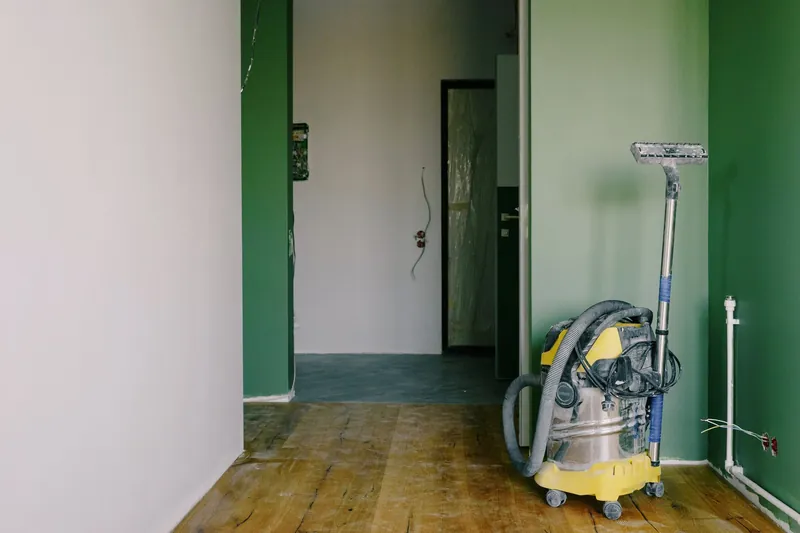
Rules and clearance levels differ by state and local jurisdiction. Contact your building, environmental or health agency to identify the requirement governing cleanup before work starts.
A local protocol might set requirements for sampling design, laboratory analysis and final clearance reports. Save all records because a buyer, tenant, owner or official might need to see them.
Do not assume unidentified substances or affected debris belong in ordinary household garbage. The materials discovered and local requirements determine waste categories and disposal methods.
Needles or other infectious waste found with drug materials need separate handling. Ohio treats soaked materials from a biohazard scene as infectious waste. Ohio EPA's Division of Materials and Waste Management rules control how it is packaged, transported and treated, so it cannot go in household trash.
The full meth lab cleanup guide covers what is cleaned or removed, odor and air quality work, and the rules that apply in Ohio and Lucas County.
Read the full meth lab cleanup guide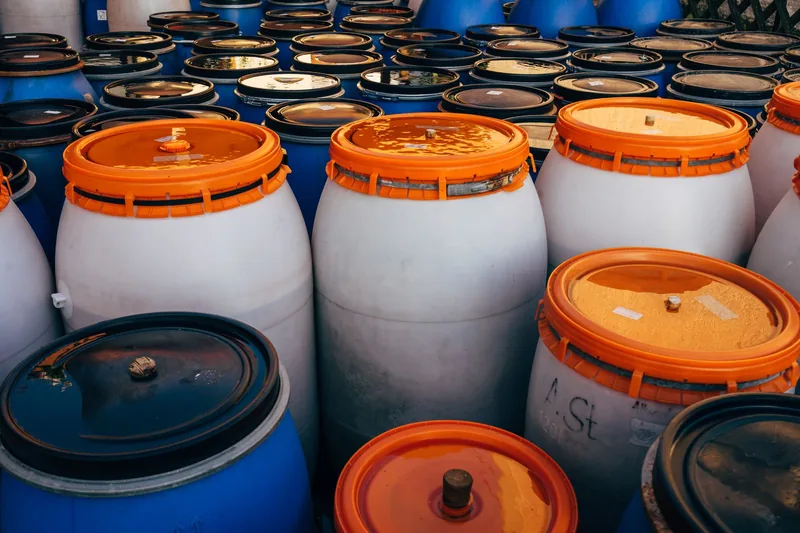
Planning for access, containment and cleanup can depend on local population, housing and entry conditions.
For an injury during discovery, Mercy St. Vincent Medical Center is the nearest listed hospital at approximately 2.2 miles away.
Nearby places include Middle Grounds, Downtown, and Uptown, so share the full street address and any building or unit number when you call.
A cleanup plan for this neighborhood should account for adjacent homes or units when setting odor control and containment boundaries.
Your phone conversation can include questions about service in nearby ZIP codes and communities.
Affected rooms, vehicle interiors and surfaces are decontaminated after fentanyl exposure.
See fentanyl decontamination
Removal of needles, pipes and drug residue from rentals and properties.
See drug paraphernalia cleanup
Grow house cleanup removes chemicals, mold and property damage left by indoor cultivation.
See marijuana grow house cleanup
Hazmat cleanup of hazardous materials with the right protective equipment.
See hazmat cleanup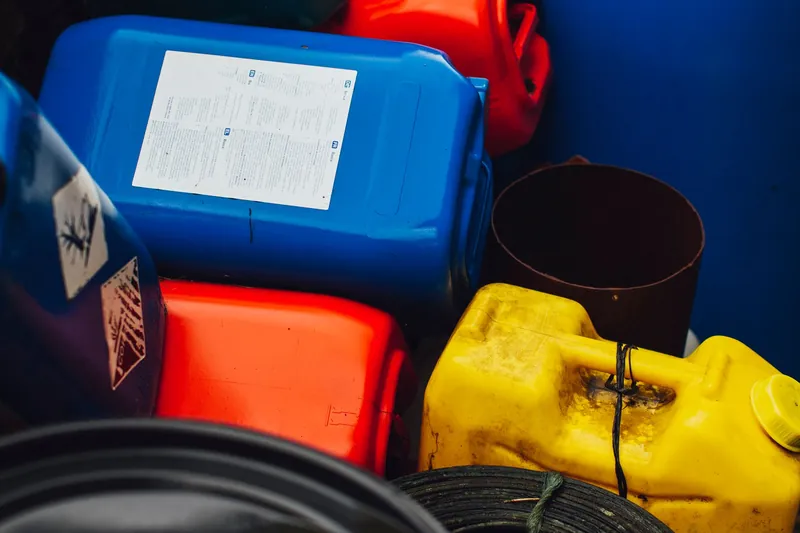
Waste cleanup removes toxic and chemical material for safe disposal.
See chemical and toxic waste cleanup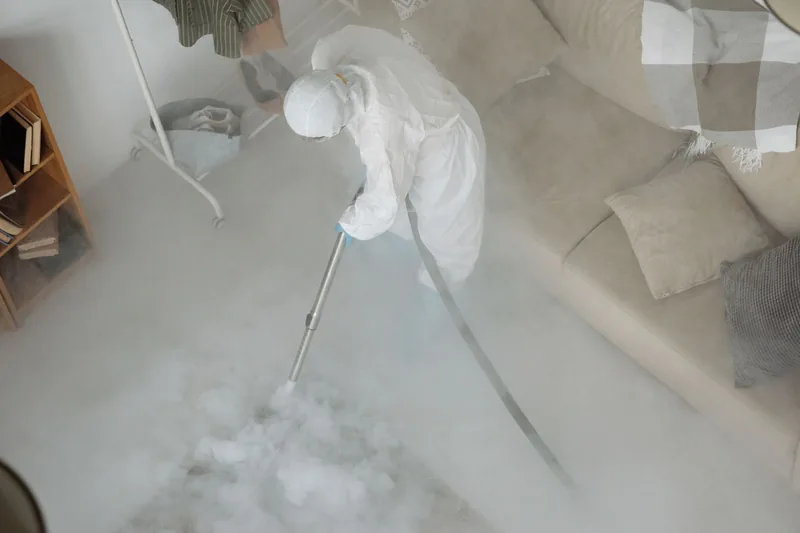
Rooms, surfaces and air receive complete decontamination following infectious or hazardous exposure.
See biohazard decontamination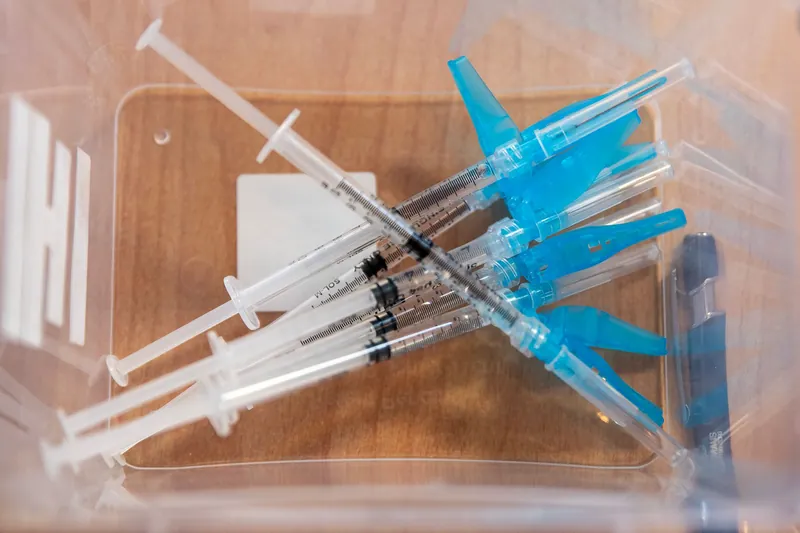
Cleanup removes sharps and needles from parks, rental sites, yards and encampments.
See needle and sharps cleanup
Biohazard cleanup addresses Airbnb accommodations, hotels and other rental units.
See hotel, Airbnb and rental biohazard cleanupWhether coverage applies varies with your policy, the cause and exclusions involving contamination, pollution, vacancy or illegal acts. Report the discovery to the insurance company, explain how you found it and ask if temporary housing, testing, removed materials, remediation and clearance sampling have coverage.
Material type, condition, value and residue level should guide an individual assessment of each belonging. Some hard, washable belongings may be cleaned. Absorbent belongings such as books, carpeting and upholstered furniture may resist effective remediation. The documented plan needs to state whether each item will be tested, isolated, decontaminated or thrown away.
For a meth lab property contaminated by methamphetamine deposits or drug-making chemicals, the remediation process uses controlled cleanup methods. Cleanup involves assessment, surface testing, containment, removal of materials that cannot be cleaned, decontamination of remaining surfaces and post-remediation clearance sampling under the rules that apply to the property.
A clean appearance or normal odor does not establish that the property is ready. Reoccupation should follow the rule that applies locally and the written recommendation of the appropriate environmental or public authority. Final samples objectively indicate if the property requires another cleaning cycle.
Consider sampling if law enforcement finds an old lab, trustworthy property documents record drug manufacturing or sound evidence suggests recurring meth use. Strong chemical smells, unexplained containers or staining may raise concern, yet a clean appearance and normal odor do not confirm clearance.
PushLeads lists $5,000 to $10,000 for light contamination, $10,000 to $25,000 for moderate contamination and up to $120,000 for large sites. The price changes with property size, whether meth was smoked or produced, HVAC contamination, testing, material removal and the number of cleaning or clearance rounds needed.
Crews carry out respectful, discreet meth lab cleanup, arrive in unmarked vehicles and take calls 24 hours a day.